
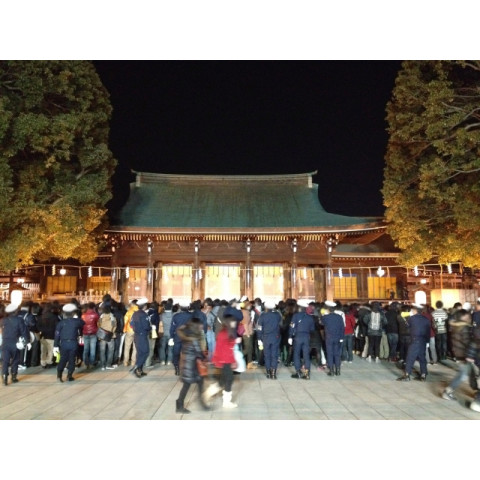
In Japan, the New Year is celebrated not just with countdowns and fireworks but also with a deeply spiritual tradition known as Hatsumode (初詣). This custom, which involves visiting a Shinto shrine or Buddhist temple at the beginning of the year, is a meaningful way for people in Japan to start the year with gratitude, hope, and prayer. Let’s explore this unique tradition, its roots, and its modern-day significance.
What is Hatsumode?
Hatsumode is the first shrine or temple visit of the New Year. It is an opportunity for individuals and families to:
- Pray for health, happiness, and prosperity in the coming year.
- Express gratitude for the blessings of the previous year.
- Engage in a time-honoured cultural ritual that connects them to Japan’s spiritual heritage.
The custom typically takes place during the first three days of January, although some people prefer to visit later to avoid crowds.
Historical Roots
Hatsumode traces its origins back to ancient times. Originally, families celebrated the New Year with a ritual called "toshigomori" (年籠り), where they would stay awake overnight at shrines to welcome the deities of the New Year. Over time, this evolved into the more widespread custom of making a single visit to a shrine or temple to mark the beginning of the year.
During the Meiji Era (1868–1912), as Japan modernized and restructured its society, the practice of Hatsumode became more formalized, aligning with the Gregorian calendar’s New Year celebrations. Today, it remains one of Japan's most cherished traditions, with millions of people participating each year.
How is Hatsumode Celebrated?
The experience of Hatsumode is both spiritual and festive. Here’s what typically happens during a visit:
Purification: Upon arriving at a shrine, visitors cleanse their hands and mouth with water at a stone basin, following a ritual called temizu. This symbolizes the purification of body and mind.
Prayers and Offerings: At the shrine, visitors toss a coin (usually 5 or 10 yen) into a collection box, bow twice, clap twice, make a silent prayer, and bow once more. This gesture of reverence shows respect and conveys wishes for the New Year.
Omikuji (Fortune Telling): Many people draw omikuji, or fortune slips, to see what the year holds for them. If the fortune is good, they may keep it. If it’s less favourable, they often tie it to a designated rack or tree at the shrine to leave bad luck behind.
Festive Atmosphere: After praying, visitors often enjoy the festive atmosphere around the shrine, with food stalls, lucky charms, and traditional sweets adding a celebratory touch.
What Do People Wear for Hatsumode?
The clothing for Hatsumode varies widely, reflecting both traditional practices and modern lifestyles. While wearing a kimono was once the norm, today, most people prioritize comfort and practicality.
Traditional Kimono (Less Common)
Although less common, some individuals, especially women, still embrace traditional kimono for Hatsumode. Wearing a kimono during the New Year is considered a way to honour Japan’s heritage and celebrate the occasion. For added warmth, they may pair their kimono with a haori (short coat), shawls, or modern layers underneath.Furisode (formal kimono with long sleeves) and hakama (pleated trousers) are more frequently worn by those celebrating a milestone, such as young adults attending their first Hatsumode after coming of age.
Modern Attire:
While traditional clothing is admired, many people opt for modern winter fashion for convenience. Coats, jackets, and warm layers paired with comfortable shoes are commonly seen, especially among younger generations. Some choose a mix of styles, such as a kimono with a modern overcoat, blending tradition and practicality.
Famous Hatsumode Destinations
While Hatsumode can be observed at any shrine or temple, some places attract particularly large crowds. Notable examples include:
- Meiji Shrine (Tokyo): Known for its serene atmosphere and massive turnout, with over 3 million visitors annually.
- Fushimi Inari Taisha (Kyoto): Famous for its thousands of vermilion torii gates.
- Kawasaki Daishi (Kanagawa): Popular for its blessings and vibrant temple markets.
Go Tokyo – Hatsumode: Offers insights into Hatsumode traditions and popular spots in Tokyo.
Japan Experience – Hatsumode: Provides an overview of the Hatsumode tradition and its significance in Japanese culture.
A Beautiful Start to the Year
Hatsumode is more than just a ritual; it’s a heartfelt way to connect with Japan’s cultural heritage and begin the year with a sense of purpose and renewal. If you ever find yourself in Japan during the New Year, why not visit a local shrine or temple and experience this beautiful tradition? Whether in traditional kimono or cosy modern wear, it’s a memory that will stay with you long after the year has passed.