
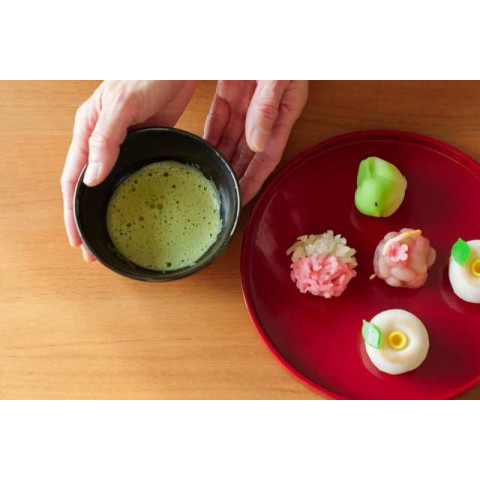
The Japanese tea ceremony, known as "茶道" (chadō) or "茶の湯" (chanoyu) in Japanese, is a traditional cultural practice that involves the preparation and consumption of matcha, a powdered green tea. The tea ceremony is more than just a simple way of making and drinking tea; it is a highly ritualized and symbolic experience that has deep roots in Japanese culture and aesthetics.
Here are some key aspects of the Japanese tea ceremony:
1. Preparation and Setting: The tea ceremony typically takes place in a specially designed tea room known as a Chashitsu or a tea house. The room is minimalistic and often adorned with traditional Japanese art and calligraphy. The host carefully selects utensils, tea leaves, and other elements for the ceremony, emphasizing the aesthetics of simplicity and harmony.
2. Roles: There are typically two main roles in the tea ceremony: the host (Chadōshu or Chajin) and the guests. The host is responsible for the entire ceremony, from the preparation of the tea to the interaction with guests. The guests observe, appreciate, and partake in the tea as it is served.
3. Utensils: The tea ceremony employs a specific set of utensils, including a tea bowl (Chawan), tea scoop (Chashaku), tea whisk (Chasen), and a tea container (Chaire or Chatsubo), among others. These utensils are often crafted from traditional materials like bamboo, ceramics, or lacquerware.
4. Preparation of Matcha: The ceremony begins with the host using precise and deliberate movements to prepare the matcha. This involves measuring the tea, adding hot water, and whisking it into a frothy, bright green beverage. The preparation itself is considered an art form, with each movement carefully choreographed.
5. Appreciation: Guests observe and appreciate every aspect of the tea ceremony, including the utensils, the tea, the seasonal decorations, and the atmosphere created by the host. The ceremony is an opportunity for both the host and guests to connect with nature, culture, and each other.
6. Silence and Mindfulness: Silence and mindfulness are essential components of the tea ceremony. Participants are encouraged to be fully present, focused on the moment, and free from distractions. The quiet and serene atmosphere enhances the spiritual and aesthetic aspects of the experience.
7. Ritual Gestures: There are specific gestures and movements associated with the tea ceremony, including bowing, receiving and offering the tea, and the way guests hold and sip from the tea bowl. These gestures convey respect, gratitude, and harmony.
8. Sweets: Often, a small sweet treat (Wagashi) is served before the tea to balance the bitterness of the matcha and cleanse the palate.
9. Seasonal Themes: The tea ceremony often incorporates elements of the changing seasons, including seasonal flowers, utensils, and even the choice of tea. This highlights the connection between nature and the ceremony.
Traditional Japanese clothing like a kimono or yukata is the most appropriate attire for a tea ceremony. Dressing appropriately for a Japanese tea ceremony shows respect for the host, the tradition, and the other guests.
The Japanese tea ceremony is not only a way of making and drinking tea but also a cultural and spiritual practice that emphasizes harmony, respect, purity, and tranquillity. It has a long history and continues to be practised and appreciated in modern Japan and around the world.