
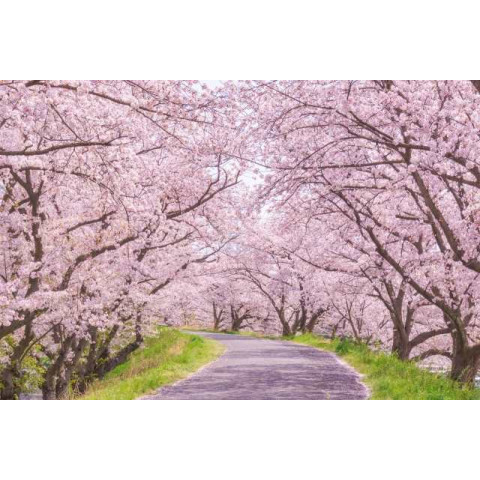
Japanese Hanami is a traditional custom of enjoying the transient beauty of cherry blossoms (sakura) in full bloom. It is a special and highly anticipated event in Japan, and several aspects make it unique and culturally significant.
Hanami has been a part of Japanese culture for over a thousand years. Its origins can be traced back to the Nara period (710-794) when it was associated with the Japanese aristocracy and the imperial court. Over time, it became a more widespread practice.
Hanami typically takes place in spring, usually between March and May in Japan, depending on the region and the timing of the cherry blossoms bloom. The exact timing can vary from year to year and is closely monitored by the Japan Meteorological Agency.
Cherry blossoms, or sakura, are the stars of Hanami. These delicate, pale pink blossoms symbolize the fleeting nature of life in Japanese culture. The sight of cherry trees in full bloom is breathtaking, and it represents the beauty of impermanence.
Hanami often involves picnicking with family, friends, or colleagues under the cherry blossom trees. People gather in parks, gardens, and other outdoor spaces to enjoy food and drinks while admiring the blossoms. It's a social event that fosters a sense of community and togetherness.
Some hanami parties continue into the evening, known as "yozakura" (nighttime cherry blossoms). Paper lanterns and illuminated cherry blossoms create a magical atmosphere. This adds an extra dimension to the experience, and some popular cherry blossom viewing spots are known for their nighttime illuminations.
Special foods and drinks are often prepared and enjoyed during Hanami. Popular choices include bento (boxed meals), onigiri (rice balls), sakura-themed sweets and snacks, and sakura-flavored beverages. Cherry blossom petals are even used as edible decorations.
Many regions in Japan hold Hanami festivals, which may include traditional performances, parades, and other entertainment. These events add to the festive atmosphere and make Hanami a more elaborate celebration in some areas.
Beyond their beauty, cherry blossoms hold cultural significance in Japan. They symbolize renewal, hope, and the ephemeral nature of life. The falling cherry blossoms are often associated with the concept of "mono no aware," which refers to the appreciation of the transience of things.
Japanese Hanami is unique because it combines natural beauty, cultural traditions, social gatherings, and a deep appreciation for the changing seasons, making it a cherished and symbolic event in Japanese culture.
Some regions In New Zealand do have cherry blossom trees, and you can indeed find cherry blossoms blooming in spring. In some parts of New Zealand, particularly in gardens, parks, and even private properties, cherry blossom trees have been planted, and they do bloom during the spring season, typically from September to November. These cherry blossoms can be a beautiful sight and can provide an opportunity for a hanami-like experience where you can appreciate the delicate beauty of the blossoms and have a picnic under the trees.
If you are interested in experiencing cherry blossoms in New Zealand, I recommend checking with local botanic gardens, parks, or cherry blossom festivals in the area you plan to visit during the spring months. They may have specific locations or events dedicated to cherry blossom viewing, allowing you to enjoy this lovely tradition even outside of Japan.