
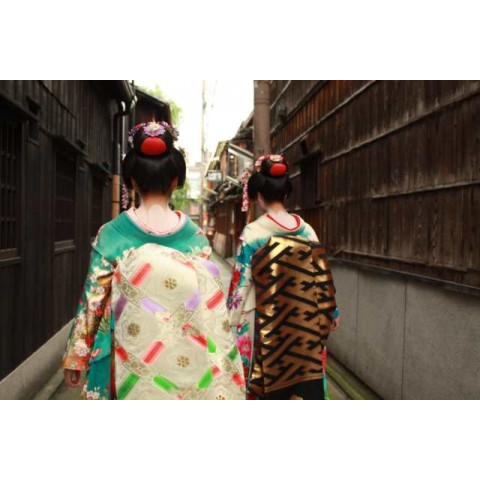
Geisha and maiko hold significant roles in Japanese culture, showcasing artistry, grace, and traditional performances. These terms are often used interchangeably, though they pertain to different phases of a woman's career in conventional Japanese entertainment.
Geisha, meaning "person of the arts" in Japanese, are accomplished entertainers with expertise in various traditional Japanese arts, including classical music, dance, and engaging conversations. They are known for their elegant kimonos, intricate hairstyles, and the use of white makeup. This makeup serves as a symbol of their profession and a medium for expressing emotions. Geisha entertain guests during various traditional occasions, often found in districts like Kyoto and Tokyo.
Maiko are young apprentices aspiring to become geisha. The term "maiko" translates to "dancing child" in Japanese. Typically starting their training in their teenage years, around 15-20 years old, maiko receive intensive instruction in traditional arts such as dancing, music, and the art of conversation. They wear distinctive, colourful attire, featuring long-sleeved kimonos with striking patterns, elaborate hairstyles adorned with ornamental hairpieces, and vibrant obi (sashes). Maiko's makeup is more vivid and less subtle compared to geisha, with vibrant colours on their lips and eyes.
Training and Transformation: Maiko undergoes a significant transformation called "erikae" when they advance to become full-fledged geisha. This transition involves changing their hairstyle from the elaborate and colourful maiko style to the more mature and subdued geisha style. They also adopt the iconic white makeup and more understated kimonos. The erikae marks a pivotal point in their careers, symbolizing their readiness to entertain as established geisha.
Tradition and Modernization: Geisha and maiko are deeply steeped in tradition, preserving their art forms for centuries. However, their numbers have declined, and they face challenges in adapting to modern times. Many geisha and maiko are committed to upholding cultural heritage while exploring ways to make their art more accessible to contemporary audiences, such as offering cultural experiences to tourists and engaging in various events and collaborations.
Geisha and Maiko are integral figures in Japanese culture, embodying grace, artistry, and tradition. Their dedication to preserving traditional Japanese performing arts and their iconic appearances continue to captivate a global audience, making them cultural ambassadors for Japan's rich heritage.