
Mochi in December: Japan’s Festive Tradition and a Global Sweet Sensation
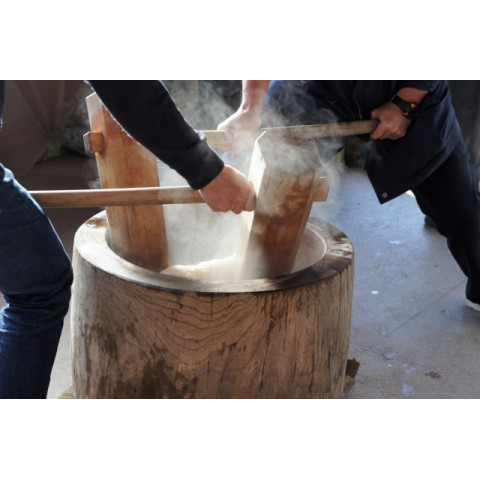
If you’ve ever visited Japan in December, you might have come across a fascinating sight: people rhythmically pounding rice with wooden mallets, laughing, cheering, and enjoying freshly made mochi (sticky rice cakes). This isn’t just any food preparation—it’s a centuries-old tradition called mochitsuki (mochi pounding), deeply connected to Japan’s New Year celebrations.
But mochi isn’t just a traditional treat anymore—it’s become a global phenomenon, delighting dessert lovers worldwide in creative new forms. Let’s explore the charm of mochi, from its cultural roots in Japan to its modern-day reinventions abroad.
Mochitsuki: A Hands-On Japanese Tradition
Mochitsuki is one of Japan’s most cherished year-end activities. Families, friends, and communities gather in late December to prepare mochi as part of the New Year’s festivities. But what makes this process so special?
What is Mochitsuki?
Mochitsuki involves steaming glutinous rice, placing it in a large mortar (usu), and pounding it with a heavy wooden mallet (kine). It’s not just about brute force—there’s a rhythm to it. One person pounds, while another quickly turns and folds the rice, requiring perfect coordination. The communal effort and synchronized movements bring people together, creating an atmosphere of teamwork and joy.
Why is Mochitsuki Important?
Traditionally, mochi symbolizes good fortune, prosperity, and a strong bond with the divine. It’s made to welcome the Toshigami—the Shinto deity of the New Year—into homes. Families also place mochi in sacred spaces, such as in the form of kagami mochi (decorative rice cakes), to pray for health and happiness.
While the cultural significance remains strong, modern-day mochitsuki is also about connecting with loved ones. After all the hard work, everyone gets to enjoy freshly pounded mochi, which is delightfully soft and chewy.
Learn More About Mochitsuki and the Cultural Significance of Mochi
The Magic of Fresh Mochi
The highlight of mochitsuki is savouring freshly made mochi. Served plain, dipped in soy sauce, coated with sweet kinako (soybean powder), or paired with savoury toppings like grated radish, the taste and texture are truly unique. The experience is even more special when you’re surrounded by the laughter and warmth of a group effort.
Mochi Goes Global: A Sweet Transformation
While mochi remains a staple of Japanese tradition, it’s also become a rising star in global cuisine. Its chewy, elastic texture (often described as "fun to eat") and its adaptability have inspired a wave of creative interpretations. Here are some of the most popular mochi treats making waves around the world:
1. Mochi Ice Cream
This wildly popular dessert features small balls of ice cream wrapped in a thin layer of mochi. First created in the U.S., mochi ice cream combines the chewy texture of mochi with the creamy sweetness of ice cream. Flavours range from classic matcha and vanilla to exotic mango and passionfruit, making it a hit in supermarkets and restaurants worldwide.
2. Mochi Donuts
Originating in Hawaii, mochi doughnuts are made with rice flour, giving them a satisfyingly chewy texture. With their unique ring shape (similar to Japan’s pon de ring doughnuts) and colourful glazes, they’ve become an Instagram favorite. Flavours like black sesame, taro, and ube nod to their Asian roots while appealing to global tastes.
3. Fruit-Filled Mochi
Inspired by the traditional ichigo daifuku (strawberry-filled mochi), these modern creations combine fresh fruits and sweet fillings like whipped cream or custard, all wrapped in soft mochi. The result? A dessert that’s as pretty as it is delicious.
4. Mochi Pancakes and Waffles
Rice flour has also made its way into Western breakfast staples like pancakes and waffles, adding a unique chewiness. These mochi variations are often gluten-free, catering to health-conscious and adventurous eaters alike.
Why Mochi Captivates the World
What is it about mochi that makes it so universally appealing?
Unique Texture:
The soft, chewy texture of mochi is unlike anything else. For many, it’s an entirely new sensory experience.Versatility:
Whether paired with sweet or savoury flavours, mochi adapts beautifully. It can be a comforting traditional treat or a trendy dessert innovation.Cultural Appeal:
As people worldwide grow more curious about Japanese culture, mochi serves as a delicious introduction. Its connection to tradition makes it more than just food—it’s a cultural story you can taste.Health Appeal:
Made from rice, mochi is naturally gluten-free and minimally processed, fitting into many modern dietary preferences.
Experience the Best of Both Worlds
Whether you’re pounding mochi during a mochitsuki event in Japan or indulging in a mochi ice cream on the other side of the globe, mochi is a food that bridges tradition and innovation. Its ability to bring people together—be it through a shared effort or shared dessert—is a testament to its enduring charm.
If you ever get the chance, participate in a mochitsuki. The joy of making and eating fresh mochi with others is an unforgettable experience. And if that’s not possible, treat yourself to one of the many mochi-inspired desserts available worldwide. It’s a small taste of Japan that’s spreading smiles everywhere.
This December, let mochi inspire you with its rich heritage and its delicious evolution. Who knows—you might just discover a new favorite treat!