
The Art of Traditional Japanese Carpentry: Mastering Woodwork Without Nails
When you think of Japanese architecture, serene temples, majestic shrines, and traditional wooden homes likely come to mind. Behind these beautiful structures lies a centuries-old tradition of carpentry known as "daiku" – a craft defined by precision, artistry, and an incredible ability to construct buildings without using a single nail. This traditional woodwork technique has shaped Japan’s iconic architectural landscape and continues to inspire modern builders today. In this blog, we’ll explore the fascinating world of Japanese carpentry, its history, and how it remains relevant in the 21st century.
A Rich History of Wooden Architecture
Japan’s tradition of wooden architecture dates back over 1,400 years. It was deeply influenced by Buddhist architecture introduced from China and Korea in the 6th century, but quickly evolved to suit Japan’s unique climate and natural disasters like earthquakes and typhoons. The result? A sophisticated building technique using interlocking wood joints that make structures durable, flexible, and aesthetically harmonious.
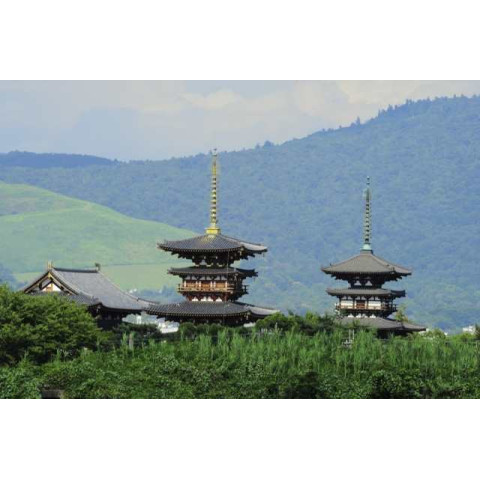
Some of the world’s oldest wooden structures, like the renowned Horyu-ji Temple in Nara, were built using these traditional methods and have stood the test of time for over a millennium. These ancient buildings are testaments to the ingenuity and skill of the Japanese carpenters who mastered techniques still revered today.
The Art of Building Without Nails: The "Kigumi" Technique
At the heart of traditional Japanese carpentry is the kigumi technique – a sophisticated method of joining wooden beams and columns without the use of nails or metal fasteners. Instead, carpenters carve intricate joints into the wood, allowing them to fit together perfectly, forming a solid, stable structure.
One of the most well-known forms of kigumi is the hōzō joint, a mortise and tenon connection that holds two pieces of wood together by slotting one into the other. This technique creates incredibly strong, yet flexible buildings that can withstand natural disasters. Another notable feature is tokyō, a series of brackets used to evenly distribute the weight of heavy roofs across the structure’s beams – especially important in temples and shrines.
Harmony with Nature: The Choice of Wood
Japanese carpenters have always valued the natural qualities of wood, using it not only for its strength but also for its aesthetic appeal. **Hinoki cypress**, for example, is prized for its durability, pleasant scent, and smooth grain. Over time, hinoki wood darkens to a warm, rich tone, giving temples and shrines an ageless beauty.
The choice of wood also reflects Japanese carpentry's deep respect for nature. Traditional builders carefully select materials based on the climate and environment, ensuring that the structure blends seamlessly into its surroundings. Many temples and shrines are nestled in forests or near mountains, creating a sense of harmony between human craftsmanship and the natural world.
Iconic Examples of Master Carpentry
Some of Japan’s most famous landmarks showcase the brilliance of traditional carpentry. Take the five-story pagoda at Horyu-ji Temple, the world’s oldest wooden structure. Built over 1,300 years ago, this pagoda has survived earthquakes, storms, and the passage of time thanks to its intricate wooden framework.
Another masterpiece is Kinkaku-ji, the Golden Pavilion in Kyoto. The building’s shimmering gold leaf exterior may steal the show, but it’s the skilful carpentry behind the scenes that allows it to stand so gracefully. Similarly, the iconic Kiyomizu-Dera temple is supported by a massive wooden platform that stands without nails, allowing visitors to gaze out over Kyoto from a height.
Visit Kinkaku-ji on its official site: Kinkaku-ji Official Site
Learn more about the iconic Kiyomizu-dera Temple here: Kiyomizu-dera Official Site
Beyond Temples: The Craft in Traditional Homes and Tea Houses
The skills of traditional carpenters aren’t limited to large religious buildings. They are also seen in the construction of tea houses and traditional homes, where simplicity and precision are paramount. Tea houses, in particular, are designed with minimalist aesthetics that showcase the raw beauty of wood. Every beam and pillar is crafted with care, and even the smallest wooden door frame reflects a dedication to craftsmanship.
In traditional homes, the gassho-zukuri style is a great example of carpentry adapted to local needs. Found in the mountainous regions of Japan, these homes feature steep, thatched roofs and wooden frameworks designed to withstand heavy snowfall. Their design is a perfect illustration of how carpenters creatively worked with natural resources to suit specific environments.
Preserving Tradition in Modern Times
While Japan’s architectural landscape has evolved with modern steel and concrete buildings, traditional carpentry has not been forgotten. In fact, the techniques of the miya-daiku (shrine carpenters) are still practised today, particularly in the restoration and preservation of historic buildings.
These skilled carpenters are entrusted with the delicate task of maintaining centuries-old temples and shrines, ensuring that they remain standing for future generations. Their expertise is not only in construction but also in the knowledge of materials and techniques that have been passed down through generations. This tradition is a vital link to Japan’s cultural heritage.
In modern construction, there's also a growing interest in sustainable architecture and the use of natural materials like wood. Japanese carpentry, with its focus on using timber and building structures that last for centuries, is seen as a model for sustainable design. This ancient craft is being adapted to contemporary homes and public buildings, proving that it’s not just a relic of the past but a relevant and forward-thinking approach to architecture.
A Living Tradition
Japanese traditional carpentry is much more than just a way of building; it’s a philosophy that values precision, harmony with nature, and sustainability. The techniques developed centuries ago continue to influence modern architecture, reminding us that craftsmanship and respect for materials create structures that are not only beautiful but also resilient.
Whether you’re marvelling at a thousand-year-old pagoda or a serene tea house, you’re witnessing the legacy of this extraordinary craft. As interest in sustainable living grows worldwide, Japanese carpentry offers timeless lessons on how we can build a future that respects the past.
Explore the timeless beauty and brilliance of Japanese wooden architecture, and perhaps the next time you see a wooden building, you’ll appreciate the hidden artistry in every joint and beam.