
The Magic of Origami: From Tradition to Modern Art
Origami, the art of paper folding, is a timeless tradition that has captivated hearts and minds for centuries. Originating in Japan, this intricate craft has transformed from a simple pastime into a sophisticated form of artistic expression. In this blog, we will explore the rich history of origami, its cultural significance, and how it has evolved into a modern art form that transcends borders and inspires creativity worldwide.
A Brief History of Origami
The roots of origami can be traced back to the 6th century, when paper was introduced to Japan from China. Initially, it was used for ceremonial purposes, such as wrapping gifts and offerings for religious rituals. The earliest known origami techniques are believed to have emerged during the Edo period (1603–1868) when the art of folding paper became a popular recreational activity among the Japanese people.
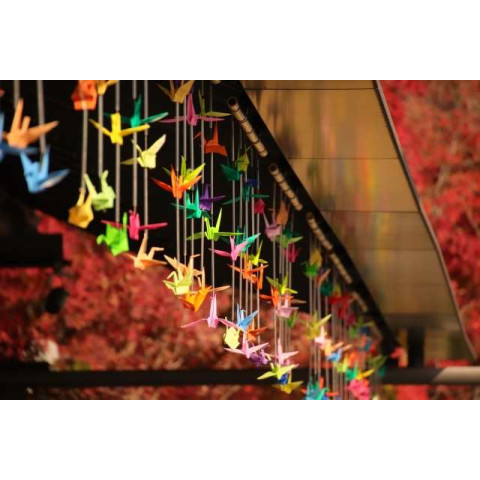
One of the most iconic symbols of origami is the crane. According to Japanese folklore, folding a thousand cranes grants the folder a wish, often related to health and longevity. This belief gained prominence after the story of Sadako Sasaki, a young girl who folded cranes while battling leukaemia caused by the Hiroshima bombing. Her story has made the crane a powerful symbol of peace and hope.
The Cultural Significance of Origami
Origami is not just an art form; it is deeply woven into the fabric of Japanese culture. It embodies values such as patience, precision, and mindfulness. The act of folding paper requires concentration and skill, making it a meditative practice that promotes mental clarity and creativity.
Traditionally, origami has played a significant role in various ceremonies, including weddings, where folded paper is used to create beautiful decorations and gifts. The elegance of origami designs often reflects the beauty of nature, emphasizing harmony and balance—key principles in Japanese aesthetics.
The Modern Evolution of Origami
In recent years, origami has transcended its traditional roots and has been embraced as a modern art form. Artists and designers are pushing the boundaries of what can be created with paper, using intricate folding techniques to produce stunning sculptures, fashion pieces, and even architectural designs.
For instance, Robert Lang, an American mathematician and origami artist, has gained international acclaim for his complex and realistic origami creations, ranging from intricate insects to life-sized animals. His work showcases the mathematical principles that underpin origami, bridging the gap between art and science. You can explore his amazing creations on [Lang Origami].
The Influence of Technology on Origami
The advent of technology has further revolutionized the world of origami. Digital tools and software now allow artists to design and visualize complex folds before even touching the paper. 3D printing technology is also being utilized to create hybrid designs that combine origami principles with new materials, expanding the possibilities of this ancient art form.
Moreover, origami is finding applications in various fields, such as robotics and engineering. Researchers are using origami-inspired designs to create foldable structures and devices, from medical stents to deployable solar panels for space exploration. This innovative approach highlights the practicality of origami beyond mere aesthetics.
Origami is a beautiful blend of tradition and modernity, offering a unique perspective on creativity and craftsmanship. As we embrace the magic of origami, we not only preserve a cherished cultural heritage but also explore new horizons in art and design. So, gather your paper, unleash your creativity, and embark on a journey into the enchanting world of origami!
Whether you fold a simple crane or a complex dragon, remember that each crease and fold holds a story—your story. Happy folding!