
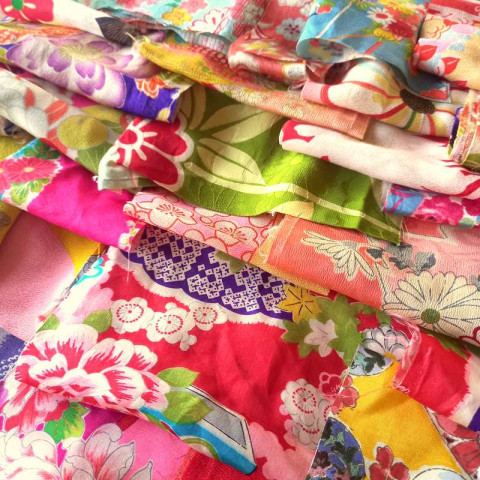
Japanese silk is highly regarded and considered special for several reasons:
Quality: Japanese silk is known for its exceptional quality and craftsmanship. The silkworms are carefully raised in controlled environments, fed a nutritious diet of mulberry leaves, and tended to with meticulous care. This results in the production of fine, strong silk fibres that have a lustrous appearance and a smooth, soft texture.
Long-standing Tradition: Silk production has a long history in Japan, dating back over a thousand years. The art of sericulture (silkworm cultivation) and silk weaving has been passed down through generations, with skilled artisans upholding traditional techniques and maintaining a high standard of craftsmanship.
Natural Dyeing Techniques: Japanese silk often incorporates natural dyeing techniques, which contribute to its distinctiveness. Traditional dyeing methods using natural materials such as plants, roots, and insects are employed to achieve a wide range of vibrant colours. These natural dyes not only create beautiful hues but also lend a unique character to the silk.
Intricate Weaving Patterns: Japanese silk kimonos are renowned for their intricate weaving patterns. Skilled weavers employ traditional handlooms or mechanical looms to create complex designs that showcase the rich cultural heritage and artistic expression of Japan. The patterns often include motifs inspired by nature, landscapes, historical events, or symbolic elements.
Attention to Detail: Japanese silk production emphasizes meticulous attention to detail. From the reeling of silk threads to the cutting and sewing of kimono pieces, every step is executed with precision and care. The artisans involved in the process have honed their skills over years of practice, ensuring the highest quality of craftsmanship.
Cultural Significance: Silk kimonos hold deep cultural significance in Japan. They are considered traditional attire for special occasions, ceremonies, and formal events. Wearing a silk kimono represents a connection to Japanese cultural heritage and is a symbol of elegance, grace, and respect for tradition.
Artistic Expression: Japanese silk allows for a wide range of artistic expression. The fabric serves as a canvas for various decorative techniques, including embroidery, hand-painting, and embellishments. Skilled artisans incorporate these techniques to create visually stunning and unique designs, making each piece of Japanese silk truly distinctive.
It is the combination of these factors—the quality of the silk, the traditional techniques, the natural dyes, the intricate weaving, the attention to detail, and the cultural significance—that sets Japanese silk apart and makes it highly regarded and sought after worldwide.