
18 Jun

0
1467
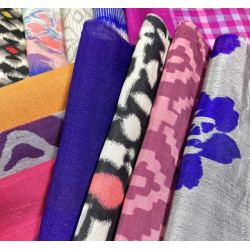
Meisen is a type of Japanese kimono fabric that gained popularity during the early 20th century, particularly in the Taisho (1912-1926) and early Showa (1926-1989) periods. It is known for its vibrant..
14 Jun
0
807
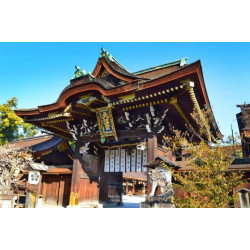
I had the pleasure of visiting one of Kyoto's most captivating antique fleamarkets, the Tenjin Market at Kitano Tenmangu Shrine.Fleamarkets are truly magical places for those who appreciate vintage ki..
13 Jun
0
1278
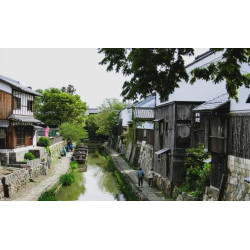
Japanese kimonos are known for their sustainability for several wonderful reasons:Longevity: Kimonos are traditionally made to be durable and long-lasting. They are often passed down through generatio..
07 Jun
0
2308
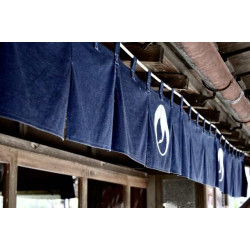
Aizome is a traditional Japanese dyeing technique that uses natural indigo dye to colour fabrics. It is also known as "Japan Blue" due to the deep blue colour associated with this dyeing process. Aizo..
05 Jun
0
2323
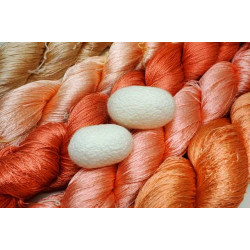
Traditional Japanese silk is primarily sourced from silkworms, which are cultivated for their silk production. The process of silk production in Japan has a long history dating back thousands of years..
29 May
0
1359
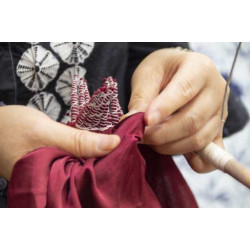
Shibori is a method of resisting dyeing, which involves manipulating fabric to create patterns by binding, folding, stitching, or compressing it before dyeing. The fabric is usually made of silk or co..
25 May
0
1871
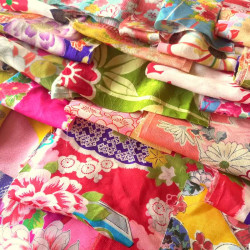
Japanese silk is highly regarded and considered special for several reasons:Quality: Japanese silk is known for its exceptional quality and craftsmanship. The silkworms are carefully raised in control..
24 May
0
1305
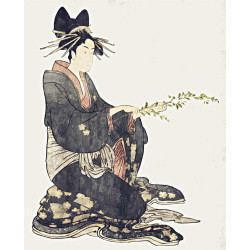
The history of the traditional Japanese kimono is rich and dates back several centuries. The term "kimono" itself translates to "thing to wear" in Japanese. The development of the kimono, as we know i..