
05 Dec

0
748
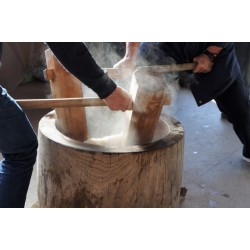
Mochi in December: Japan’s Festive Tradition and a Global Sweet SensationIf you’ve ever visited Japan in December, you might have come across a fascinating sight: people rhythmically pounding rice wit..
05 Nov
0
3196
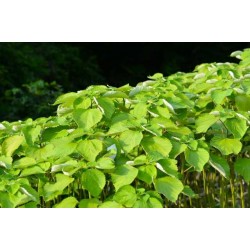
Linen vs Japanese Hemp Fabrics: A Deep Dive into Two Timeless MaterialsHemp has been used as a textile for centuries, offering a natural, breathable option for hot climates. Two of the most popular ty..
27 Aug
0
1163
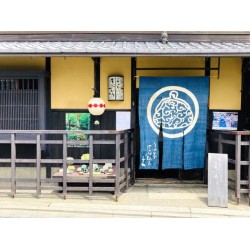
The Art of Noren: Blending Japanese Tradition with Contemporary StyleWhen you think of Japan, one of the most iconic images that might come to mind is that of the noren, a beautiful fabric curtain flu..
30 Jun
0
855
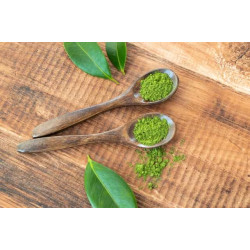
Matcha is a traditional Japanese green tea, renowned for its distinctive flavour and numerous health benefits. Made from specially cultivated tea leaves ground into a fine powder, matcha is characteri..
12 Dec
0
1435
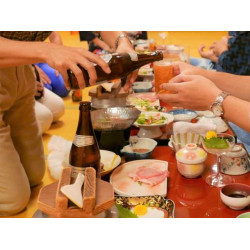
"Bounenkai" is a Japanese tradition that involves a year-end party or gathering. The term "Bounenkai" can be translated to "forget the year" or "year forgetting party." It is a social event where peop..
02 Nov
0
3632
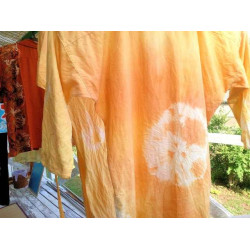
Kusaki-zome is a traditional Japanese natural dyeing technique that involves using plant materials to create dyes for colouring textiles. Kusaki-zome is translated as "plant dyeing." This technique ha..
14 Sep
0
1817
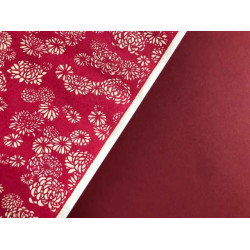
Katazome, a traditional Japanese textile dyeing technique, boasts a long and intricate history. Its origins can be traced back to ancient times when it was influenced by neighbouring countries and gra..
23 Aug
0
1676
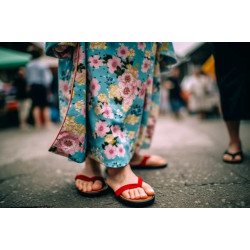
Japanese traditional shoes for wearing a kimono are called "zori" or "geta." These shoes not only complement the elegance of the kimono but also have functional aspects that make them suitable for var..
24 Jul
0
1305
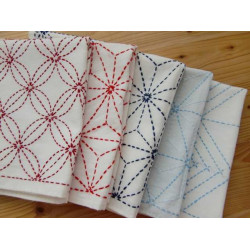
Sashiko is an ancient Japanese embroidery technique that dates back over 400 years. Its name comes from two Japanese words: "Sashi," which means "little stabs" or "little pierce," and "ko," which mean..
21 Jun
0
1811
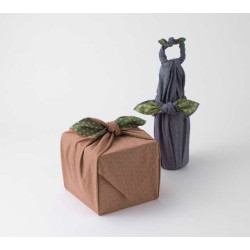
Furoshiki, a traditional Japanese wrapping cloth, has captivated people around the world with its versatility, functionality, and eco-friendliness. With a rich history rooted in Japanese culture, furo..
07 Jun
0
2403
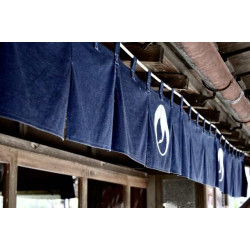
Aizome is a traditional Japanese dyeing technique that uses natural indigo dye to colour fabrics. It is also known as "Japan Blue" due to the deep blue colour associated with this dyeing process. Aizo..
Showing 1 to 11 of 11 (1 Pages)